

Skip to content
Parabanking
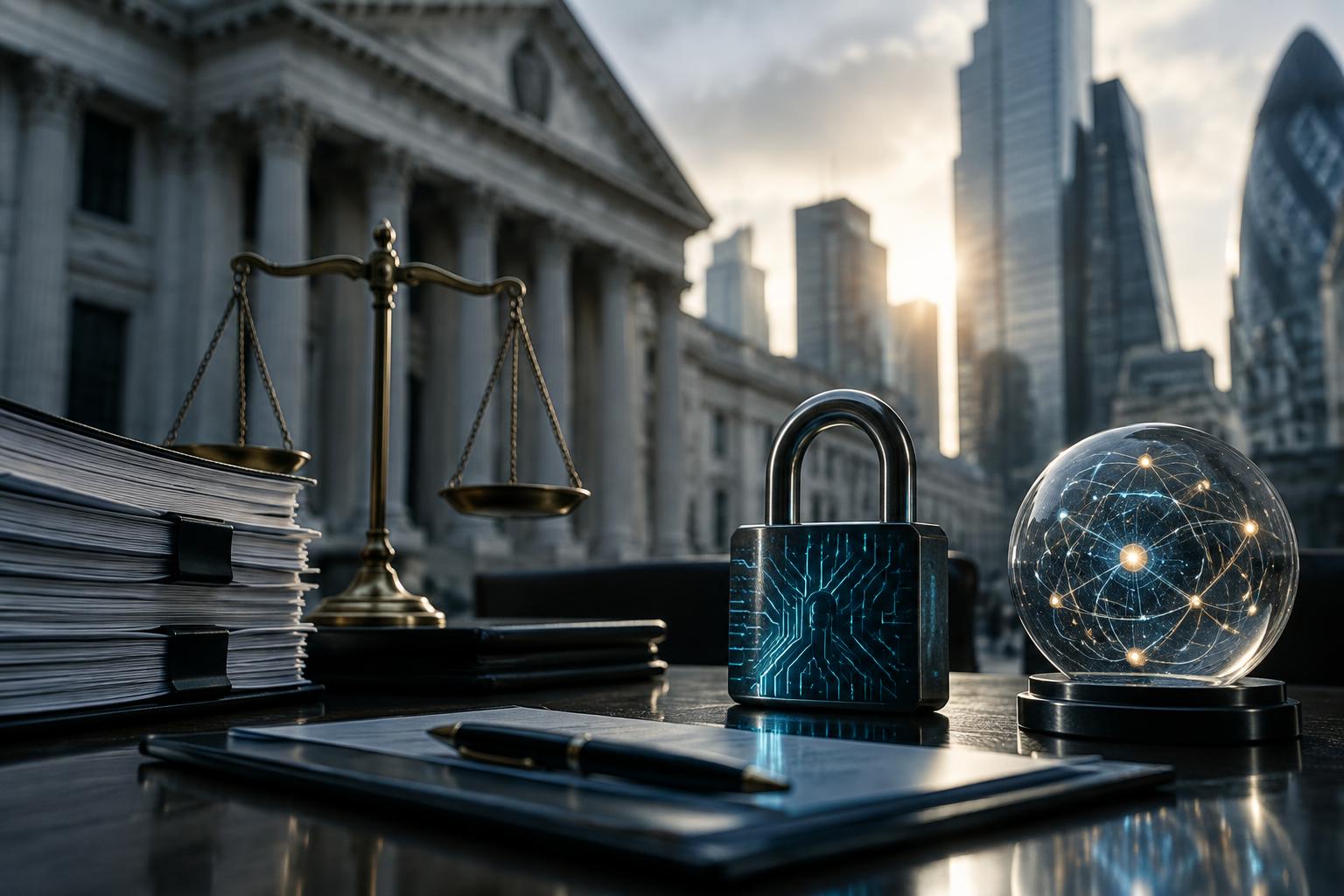
Financial cybersecurity illustration representing the transition to post-quantum cryptography
Regulation & Licensing

FCA urges firms to start post-quantum security migration now

The FCA is urging financial firms to prepare now for post-quantum cryptography and is trialling a supervisory tool to assess their readiness. It points to milestones for migration planning by 2028 and completion across all systems, services and products by 2035.

· 1 min read

Today's top stories

OCC supervisory framework on banks’ use of Super IntelligenceRegulation & Licensing

OCC sets supervisory approach to banks’ use of Super Intelligence

The US Office of the Comptroller of the Currency has issued a framework for examining banks’ use of Super Intelligence and agentic SI. It says examiners should not treat the technology as a separate risk category or require banks to establish a distinct SI risk appetite.

· 1 min read

FINMA consultation on banks’ interest rate risk requirementsRegulation & Licensing

FINMA consults on revised bank interest rate risk requirements

FINMA has opened a consultation on changes to its interest rate risk circular, incorporating recalibrated Basel shocks and placing greater emphasis on banks’ revenues. Responses are due by 15 January 2027.

· 1 min read

Digital BankingMore →

A traditional bank branch beside a smartphone banking app, illustrating two ways to access financial servicesComparison

Traditional Banks vs Neobanks

Traditional banks and neobanks can offer similar everyday services, but their licences, account structures and customer protections may differ. This guide explains how to compare them by legal status, access to money, costs, lending and support across major jurisdictions.

· 8 min read

Fintech & InnovationMore →

Payments & TransfersMore →

Europe’s transition to next-day securities settlement and tokenised asset infrastructurePayments & Transfers

ECB outlines settlement upgrades ahead of Europe’s T+1 move

The Eurosystem plans changes to TARGET2-Securities’ night-time settlement process in June 2027, ahead of Europe’s move to next-day settlement. ECB Executive Board member Piero Cipollone also outlined progress on tokenised asset settlement and collateral eligibility.

· 1 min read

Stablecoins & Digital MoneyMore →

Diagram showing an international payment moving from bank funding through a stablecoin transfer to local-currency payout.Industry Guide

How Stablecoins Are Changing International Payments

Stablecoins can move value across borders outside conventional banking hours, but they do not remove foreign exchange, compliance or cash-out costs. This guide explains how stablecoin payments work, where they can help and what businesses should check before using them.

· 8 min read

Regulation & LicensingMore →

OCC supervisory framework on banks’ use of Super IntelligenceRegulation & Licensing

OCC sets supervisory approach to banks’ use of Super Intelligence

The US Office of the Comptroller of the Currency has issued a framework for examining banks’ use of Super Intelligence and agentic SI. It says examiners should not treat the technology as a separate risk category or require banks to establish a distinct SI risk appetite.

· 1 min read

Alternative FinanceMore →

Diagram showing capital flowing from investors and funding providers through a non-bank lender to borrowers, with repayments flowing back.Industry Guide

How Non-Bank Lending Works

Non-bank lenders provide credit without operating as conventional deposit-taking banks. This guide explains where their money comes from, how loans are assessed and serviced, what borrowers pay, and how regulation differs across major jurisdictions.

· 8 min read

Explainers & industry guides

How the financial system beyond traditional banks actually works.

All guides →

Editor's picks

Industry Guide

How Fintech Regulation Differs Between Countries

Fintech regulation depends on the activity, the legal entity and the customer’s location—not simply where an app is built. This guide compares licensing, customer-money protection and cross-border access in the EU, UK, US, Switzerland, UAE and Singapore.

· 8 min read

Industry Guide

The Role of AI in Financial Services

AI helps financial firms detect fraud, assess credit, process documents and support customers. This guide explains how these systems work, where they can fail, and how oversight and regulation differ across major jurisdictions.

· 8 min read

Comparison

Traditional Banks vs Neobanks

Traditional banks and neobanks can offer similar everyday services, but their licences, account structures and customer protections may differ. This guide explains how to compare them by legal status, access to money, costs, lending and support across major jurisdictions.

· 8 min read

Industry Guide

Understanding Financial Infrastructure

Financial infrastructure is the machinery that records ownership, moves money and manages financial obligations. This guide explains how its main components work, how banks and non-bank providers connect to them, and what to check across major jurisdictions.

· 8 min read

Industry Guide

How Financial Technology Companies Are Valued

Fintech valuation starts with understanding how a business earns money, who carries the financial risk and how much capital it needs. This guide explains the main valuation methods, the metrics that matter across business models, and how regulation, funding and shareholder rights affect the result.

· 8 min read

Industry Guide

How Fintech Companies Make Money

Fintech companies earn revenue from payments, subscriptions, lending, foreign exchange, investments and financial infrastructure. This guide explains who pays, how the money flows, which costs matter and how regulation shapes each business model.

· 8 min read